
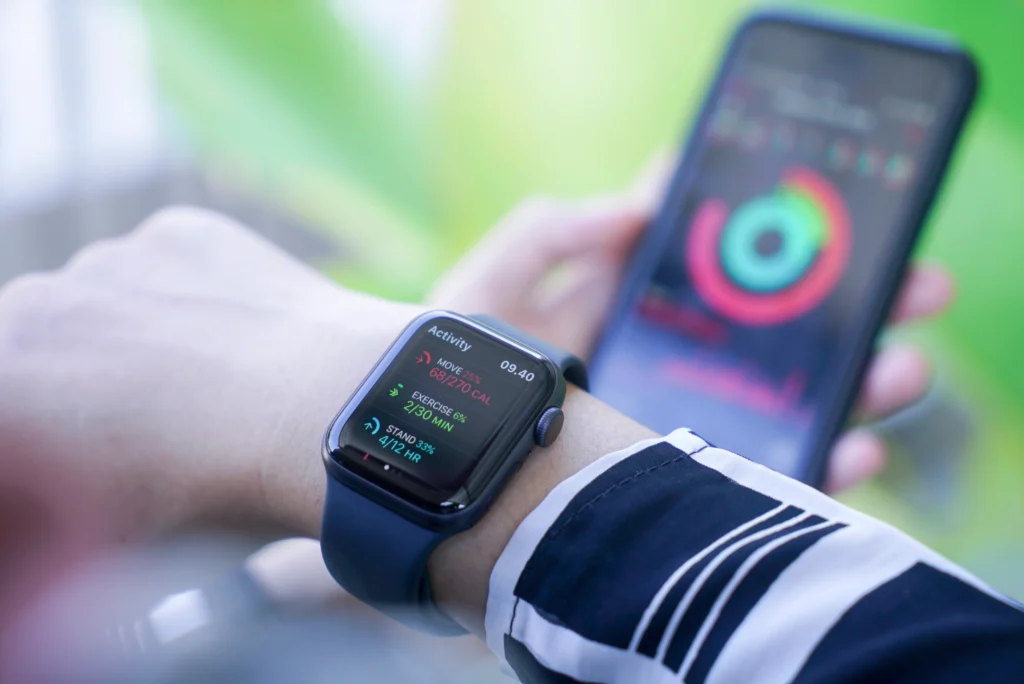
 Yes, wearable device data can be used in a workers’ compensation claim, and it cuts both ways. Data from an Apple Watch, Fitbit, or similar device has been introduced in personal injury and workers’ comp proceedings to support an injured worker’s account of their limitations, and insurance carriers have also used it to challenge those same accounts. If you wear a device that tracks your movement, heart rate, sleep, or activity levels, that data exists, and it may be relevant to your claim whether you choose to use it or not.
How Wearable Data Gets Into a Workers’ Comp Case
Wearable devices generate a detailed record of physical activity. Depending on the device and settings, this can include step counts, heart rate patterns, sleep quality, GPS movement, calories burned, and activity intensity. In a workers’ compensation case, this kind of data can surface in a few ways:
- An injured worker voluntarily shares data to demonstrate reduced activity levels, disrupted sleep, or a clear drop in physical output following a workplace accident
- An insurance carrier requests access to wearable data during discovery as part of their effort to challenge the severity of the reported limitation
- Surveillance combined with wearable data is used to argue that an injured person’s activity level contradicts what they reported to their treating physician
Florida does not have a statute that specifically governs wearable data in workers’ comp proceedings. Electronic records and digital data are generally discoverable under Florida’s civil procedure rules when they are relevant to the issues in dispute.
What This Means If You Have an Active Claim
If you are currently pursuing a workers’ comp claim in Lakeland or anywhere in Polk County, a few things are worth keeping in mind:
- Data that shows a significant drop in your activity level, step count, or sleep quality after your injury can strengthen your account of how the injury has affected your daily life
- Data that shows high activity levels on days when you reported being unable to work or move freely can be used against you, even if there is an innocent explanation
- Synced apps, cloud backups, and health platform histories mean this data often goes back further than people realize
- You are not required to volunteer your wearable data, but depending on how a case develops, a formal request for it may arise
This does not mean you should stop wearing your device or delete your data. Tampering with or destroying potentially relevant evidence carries its own serious risks in any legal proceeding.
How This Data Fits Into the Bigger Picture
Wearable data is one piece of evidence among many in a workers’ comp case. Medical records, physician testimony, and documented work restrictions carry significant weight, and wearable data typically supports or complicates that foundation rather than standing on its own.
If your workers’ comp claim has become more complicated than you expected, Smith, Feddeler & Smith, P.A. offers free case evaluations for injured workers in Lakeland and throughout Polk County. Call (863) 355-4204 or contact us online to talk about where things stand.